
More Taste Ljubljana Flavours
Play audio recording of content
The ten most recognisable dishes are only the beginning. Ljubljana cuisine offers a much wider range of flavours, shaped in bourgeois kitchens, old city inns, castle dining rooms and farms in the city’s green rural surroundings.
Among them are dishes from historic cookbooks, Sunday classics, almost forgotten specialities and slightly more recent Ljubljana creations. Some of these flavours are still part of everyday menus, while others are found only on special occasions or in contemporary culinary interpretations. Together, they tell the story of how people once ate in Ljubljana, how they eat today and why the city has no intention of reducing its culinary history to just ten dishes.
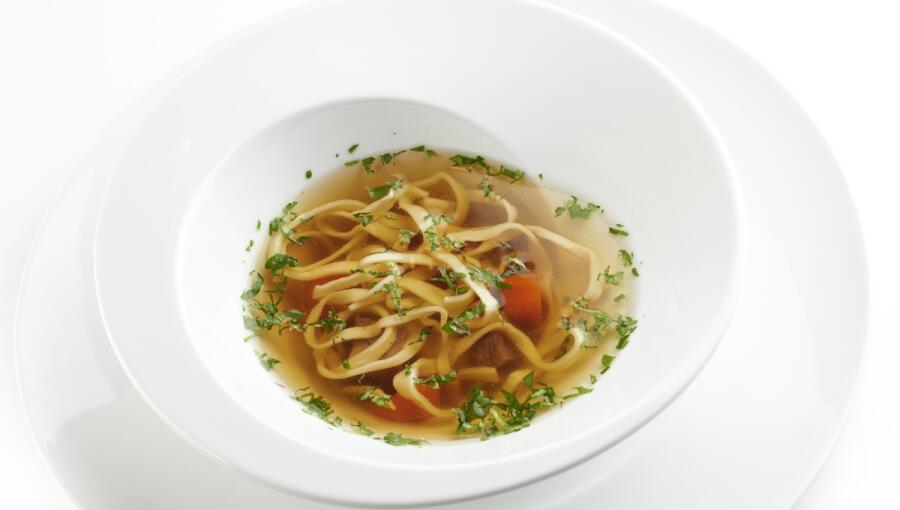
Beef Soup with Noodles
Beef Soup with Noodles is a Slovenian Sunday classic that became established in Ljubljana as early as the 19th century. Slowly cooked from beef, bones and vegetables, and served with noodles or small pasta squares known as bleki, it offers perhaps the most comforting taste of home.
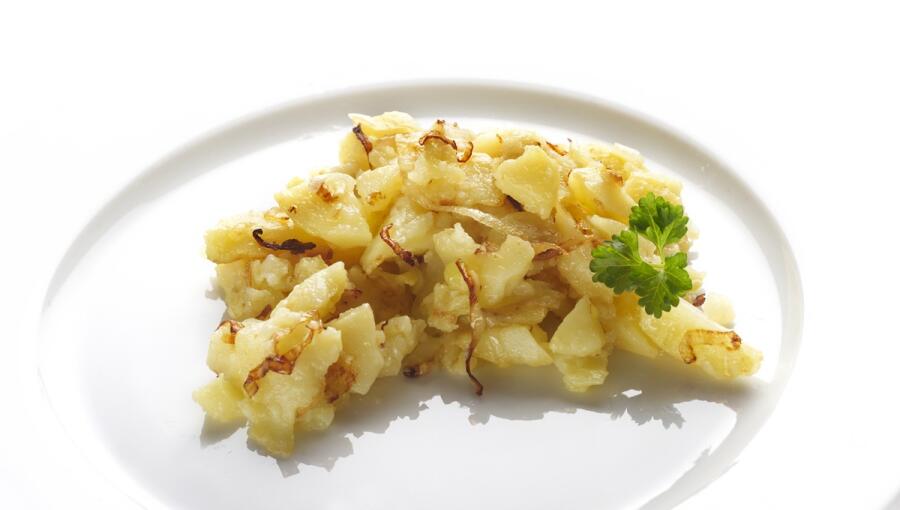
Sautéed Potatoes (Pražen krompir)
Sautéed Potatoes are another essential part of a traditional Slovenian Sunday lunch. Boiled potatoes are sautéed and gently mashed with onions until they develop a golden crust. The dish is so popular that it even has its own Society for the Recognition of Sautéed Potatoes as an Independent Dish.
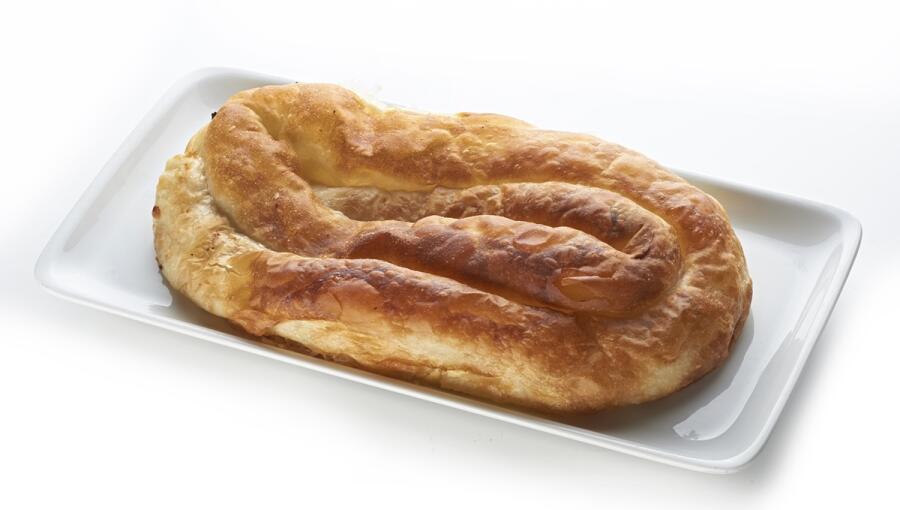
Burek and Pizza Burek
Burek and Pizza Burek became popular in Ljubljana in the 1980s and 1990s, shaped by life in the former Yugoslavia and migration from the southern parts of the shared country. Burek is a pie made from thin stretched dough, filled with cottage cheese, meat, vegetables or a “pizza” filling.
You can try it at various places around Ljubljana. Among locals, Burek Olimpija and Nobel burek are especially popular, and you can also find burek in almost every bakery in Ljubljana.
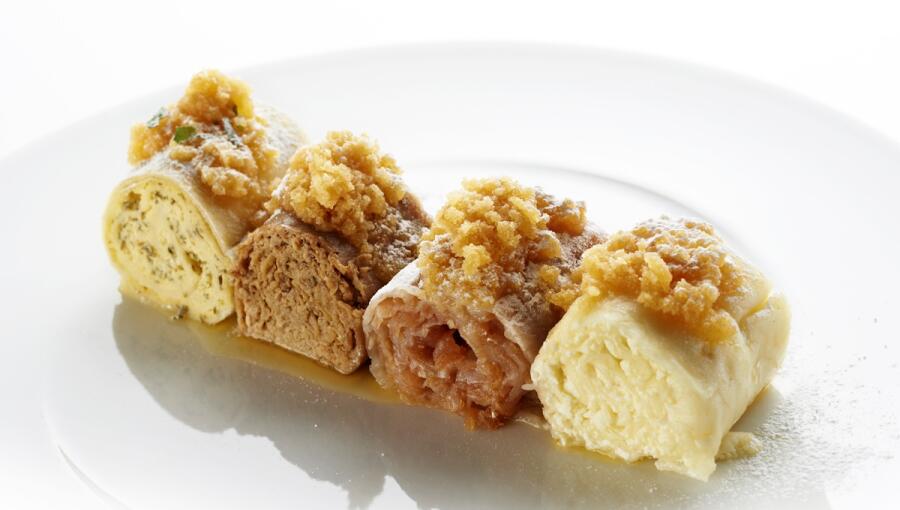
Štruklji
Štruklji are a traditional dish made from thinly rolled or stretched dough with various fillings, served either boiled or baked. In Ljubljana, they became established from the 17th century onwards as both a savoury and sweet dish. Today, they are considered one of the most popular Slovenian dishes and one of the most characteristic expressions of hospitality.
You can try different varieties at Moji Štruklji Slovenije.
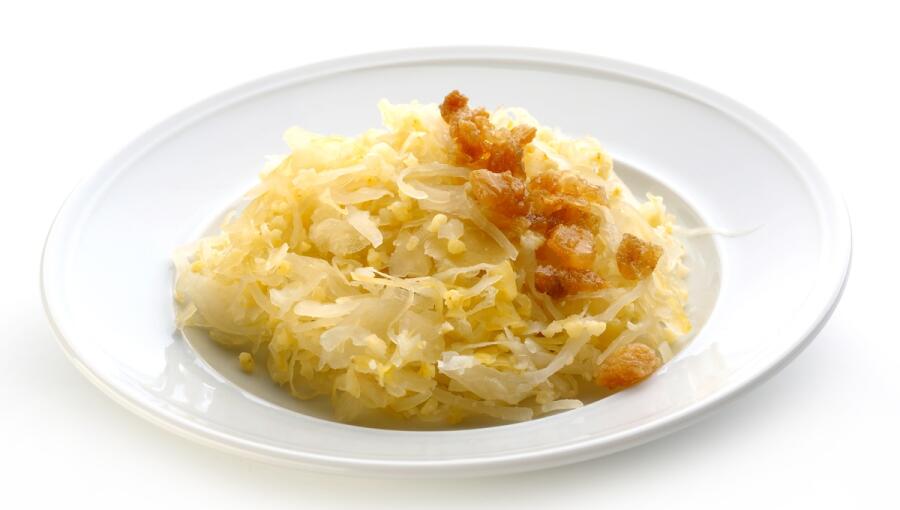
Millet Porridge with Sauerkraut or Turnip (“Všenat zele”)
Millet Porridge with Sauerkraut or Turnip is made with millet porridge, sauerkraut or turnip, enriched with hot lard or cracklings, and often with pieces of dried meat or Carniolan Sausage. It is a delicious dish in its own right, but also works beautifully as a side dish with meat dishes, especially pork or veal knuckle.
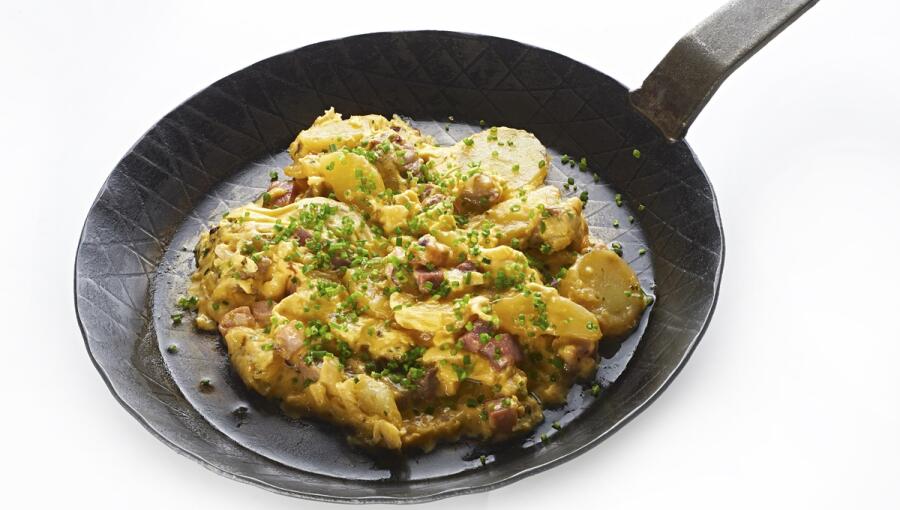
Union Hopel Popel
Union Hopel Popel is Ljubljana’s version of a Berlin dish, prepared at Hotel Union as early as 1920. It is made with diced boiled potatoes sautéed in fat with pork, veal or beef, ham or Carniolan Sausage, then covered with a mixture of eggs and milk and cooked until set.
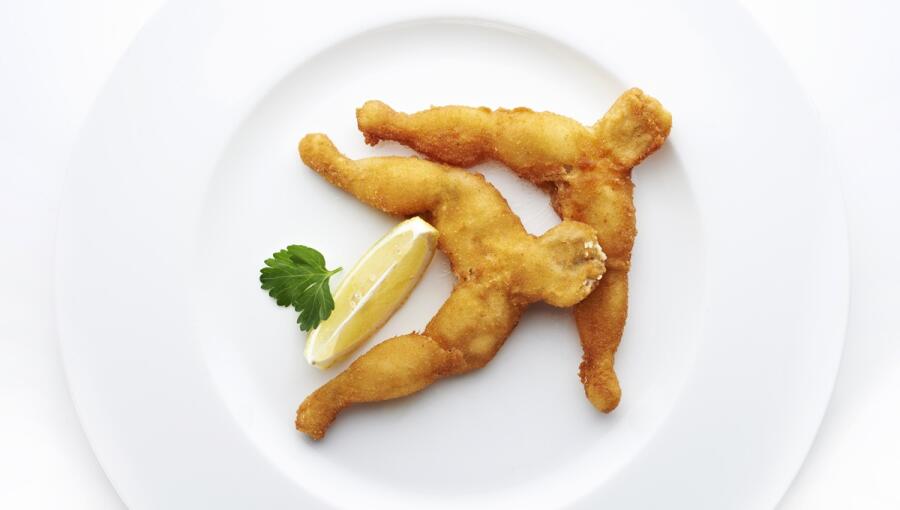
Frog Legs
Frog Legs, most often breaded and fried or roasted, are still considered a Ljubljana city speciality today. They are best known from the menu of the Pri Žabarju restaurant.
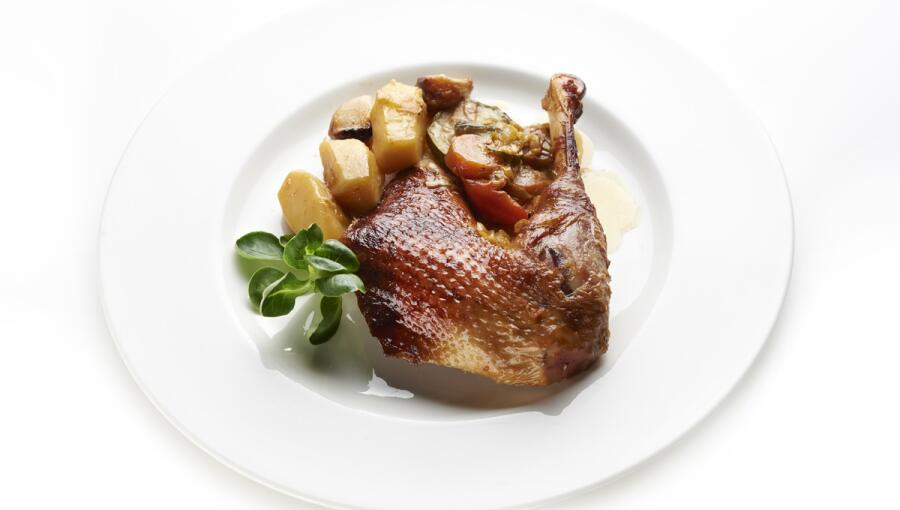
Roast Capon
Roast Capon, made from castrated roosters, was originally a castle speciality and later became one of the most prestigious poultry dishes in the urban environment as well. After the Second World War, its use almost disappeared, but in recent years it has been returning to contemporary cuisine. Its preparation was often demanding: the meat was first braised, then assembled, covered with a layer of seasoned mashed potatoes and baked in the oven.
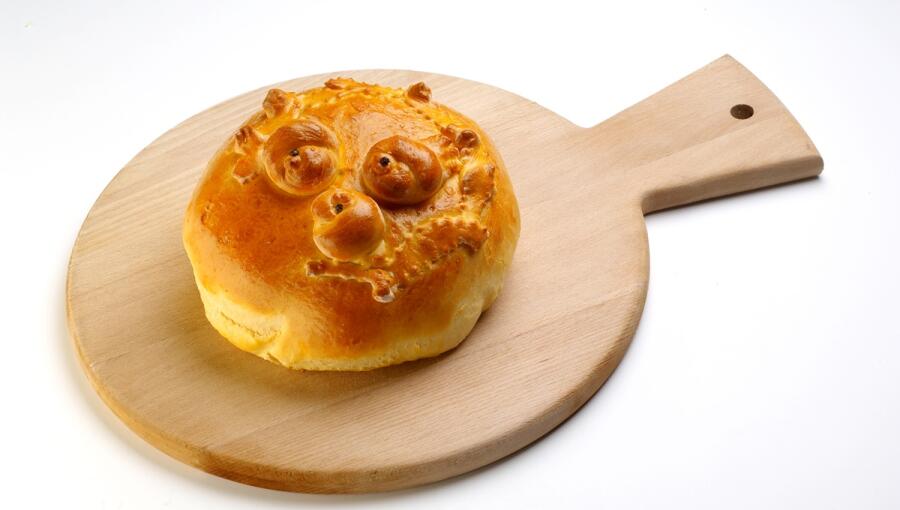
Janče Festive Bread (Janška vezivka)
Janče Festive Bread is a gently sweet festive bread, beautifully decorated with birds, bows, flowers or braids and brushed with butter. It originates from the village of Janče on the eastern edge of Ljubljana.
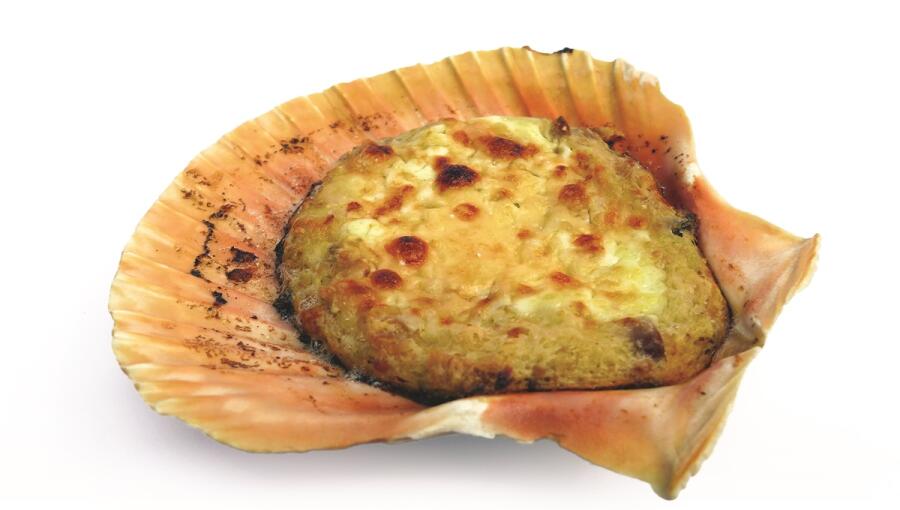
Mušelni
Mušelni may sound like a seafood dish, but only their appearance is marine. Buttered scallop shells are filled with a mixture of finely chopped veal, bread soaked in milk, onion, sour cream and egg yolk. They are then brushed with sour cream, sprinkled with Parmesan and baked until they develop a thin golden crust.
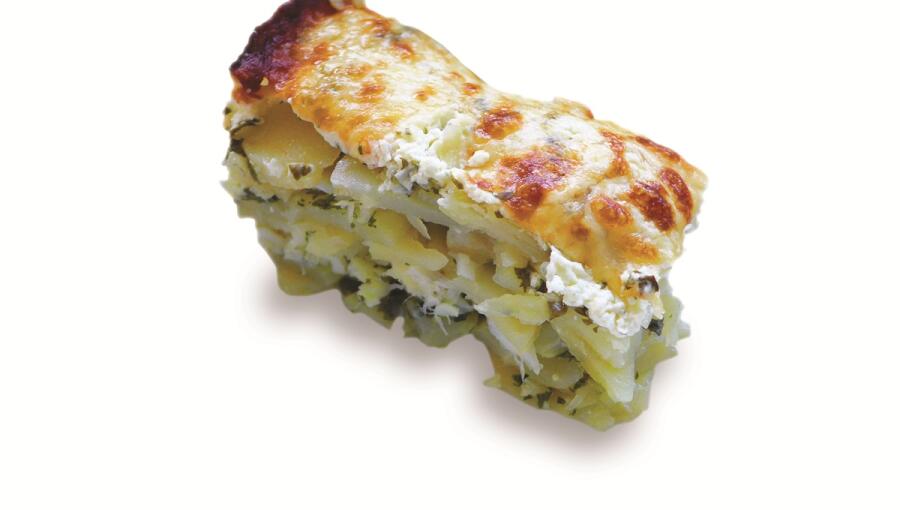
Stockfish Potato Bake
Stockfish Potato Bake is a layered dish made with potatoes and stockfish or cod, baked in the oven and served with sautéed or braised sauerkraut. It was once especially popular during Lent and in winter.
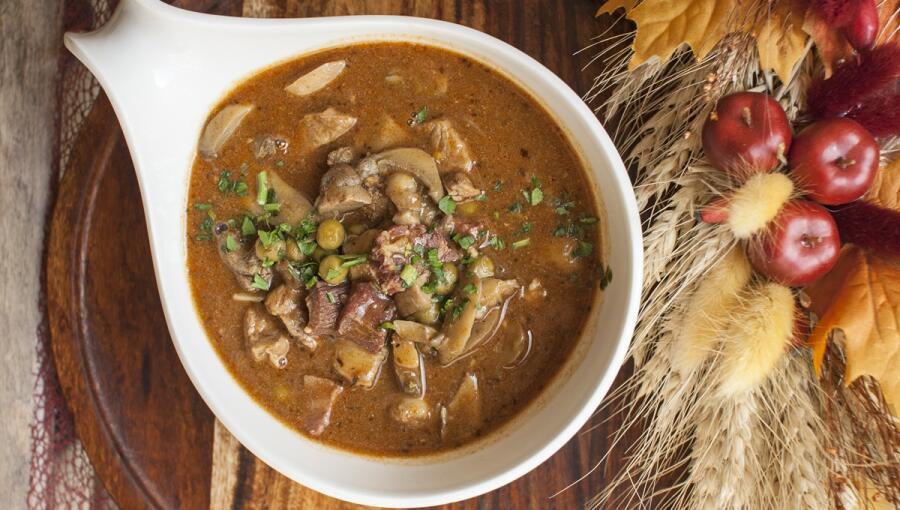
Veal Ragout in a Butter Pastry Dish
Veal Ragout in a Butter Pastry Dish combines veal with veal liver, sweetbreads and smoked tongue in a refined yet hearty dish, complemented by green peas and mushrooms and rounded off with a glass of Madeira wine. In bourgeois families, it was served in two ways: in porcelain dishes or in small dishes made from baked butter pastry.
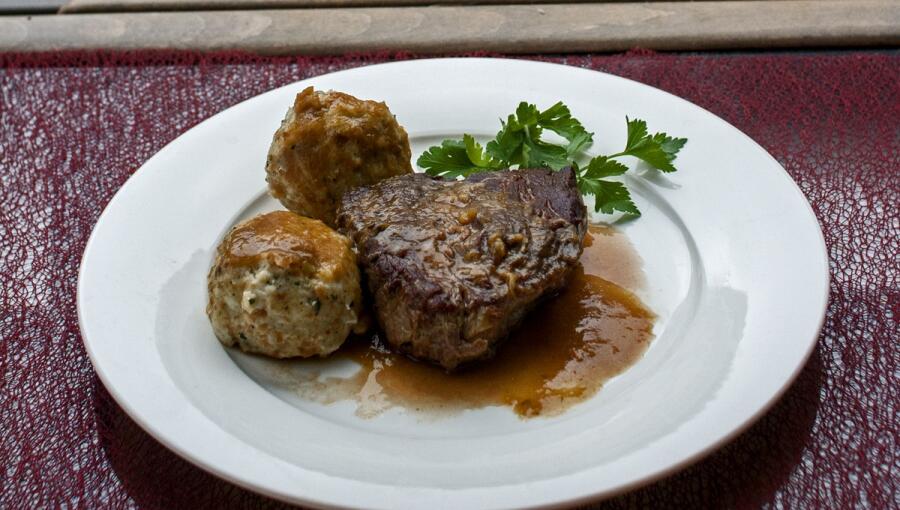
Larded Beef Tenderloin with Sauce and Bread Dumplings
Larded Beef Tenderloin, also known as mulprata, was a classic on the festive menus of wealthier Ljubljana families. It was most often prepared with a sauce, also described as “hunter-style”, and served with bread dumplings and pickled cranberries. The dish also appeared on the menu of the ceremonial lunch marking the 10th Jubilee International Fair in Ljubljana in 1930.
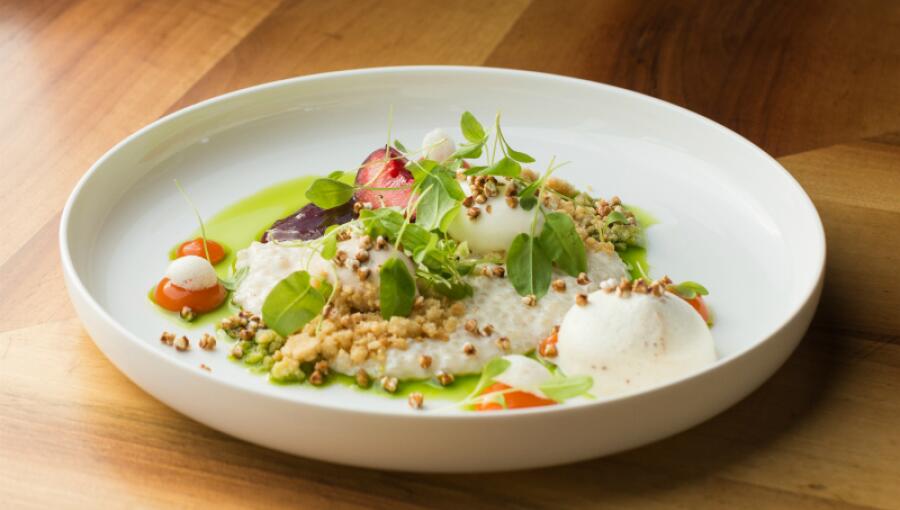
Fair Ljubljana Lady (Lepa Ljubljanka)
Fair Ljubljana Lady is a dessert made from buckwheat porridge, milk and plums, completed with two types of ice cream, milk meringues and buckwheat crumble. It was created by chef Igor Jagodic and has been served since 2015 at Strelec Restaurant at Ljubljana Castle. The name refers to the opening stanza of France Prešeren’s famous poem about the beautiful Ljubljana woman Urška and the Water Man, who carried her away into the waves of the Ljubljanica River.
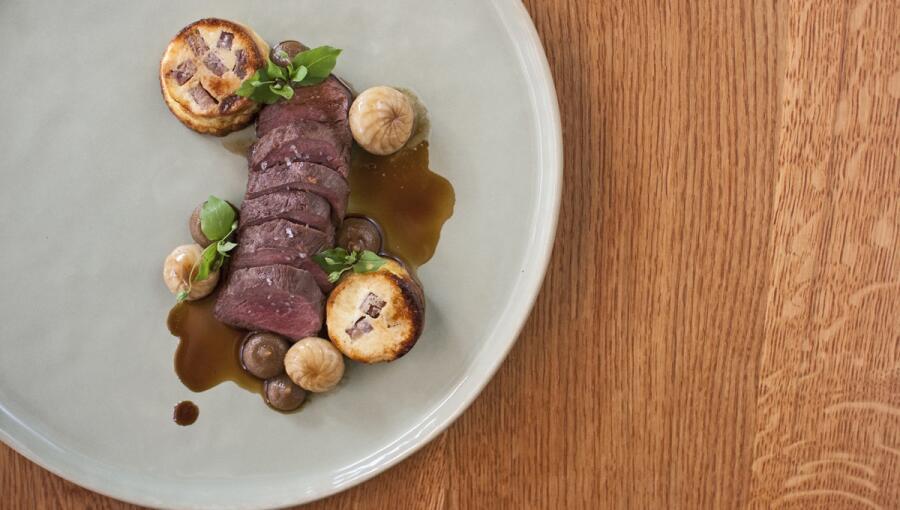
Venison Saddle
Venison Saddle is marinated for several days in a mixture of vegetables, spices and vinegar to make it tender and more flavourful, then slowly roasted. An aromatic sauce is made from the roasting juices and poured over the meat. The roast is usually served with flour dumplings, bread dumplings, cheese štruklji or potato fritters and salad.
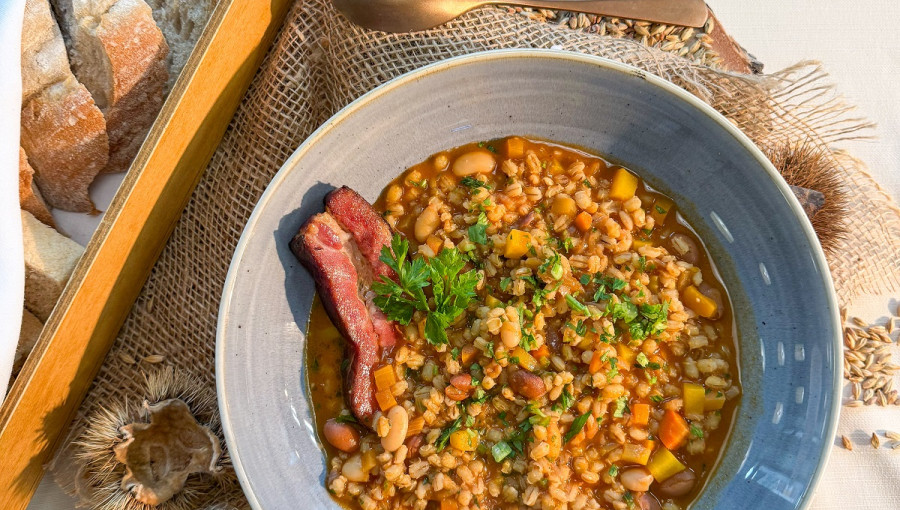
Šmarna Gora Ričet
Šmarna Gora Ričet is a cooked barley stew with beans, carrots, cabbage and dried meat. It is a famous dish at the restaurant at the top of Šmarna gora, Ljubljana’s popular hiking destination, which rises to 669 metres.
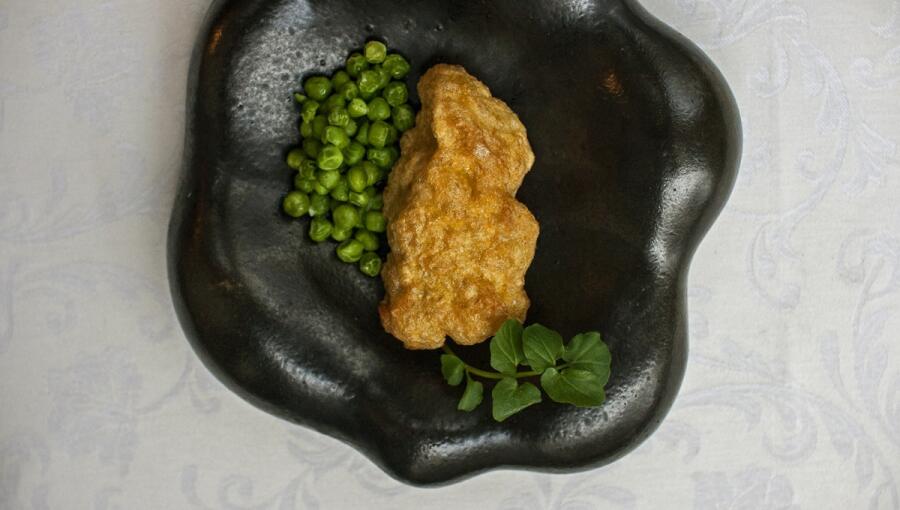
Fried Veal Sweetbreads with Green Peas (Ocvrt telečji priželjc)
Fried Veal Sweetbreads with Green Peas is a refined dish made from the thymus gland of a young calf. It became famous at a formal dinner following a theatre performance in 1912 at the former Fiala Restaurant. Slices of sweetbread are coated in flour and egg, fried until golden and served with braised young peas.
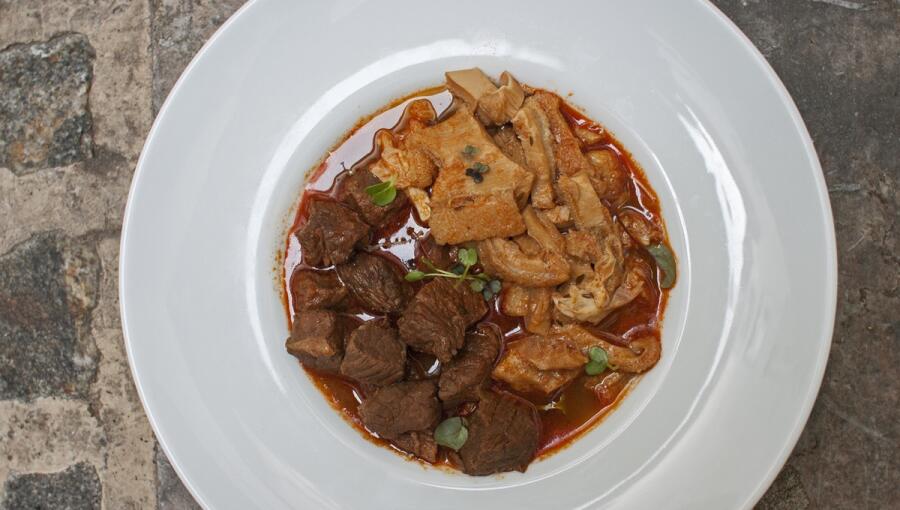
Half and Half or Goulash and Tripe (golaž vampi)
Half and Half, or Goulash and Tripe, comes from Gostilna Šestica, one of Ljubljana’s oldest city inns, dating back to 1776. The restaurant was long known for two dishes, goulash and tripe. As guests began ordering half a portion of each on the same plate, the dish known as malo mešano, meaning “a little mixed”, became established.
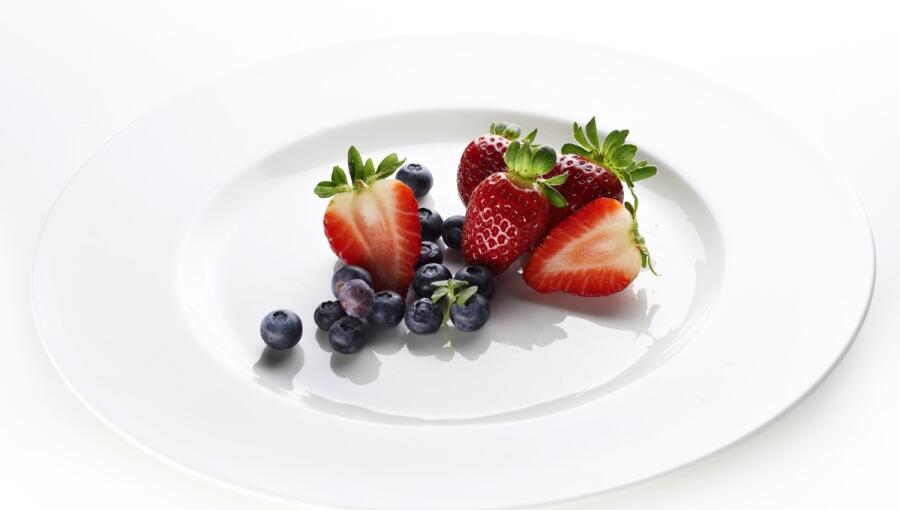
Strawberries and Blueberries from Janče
Strawberries and Blueberries from Janče come from a village in eastern Ljubljana known not only for its beautiful views, but also for fresh seasonal fruit, including strawberries and blueberries.
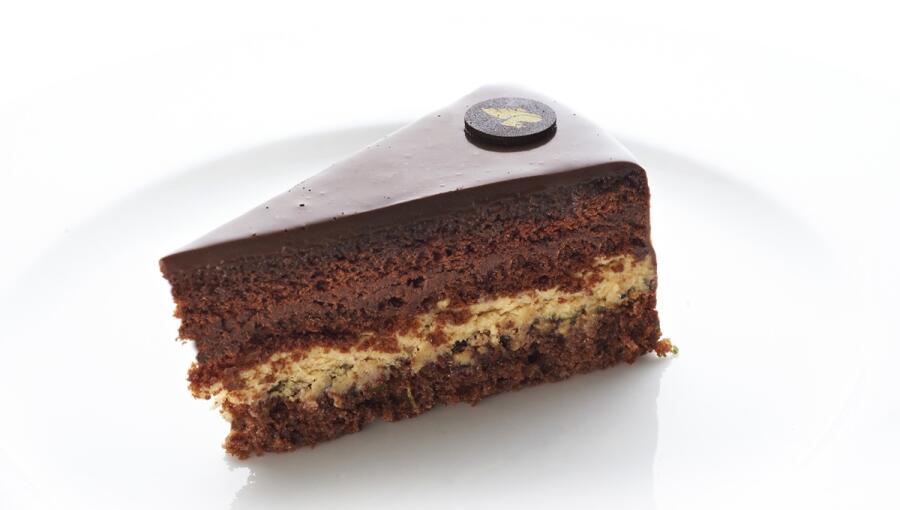
Ljubljana Cake (Torta Ljubljana)
Ljubljana Cake is a characteristic Ljubljana dessert inspired by the story of a cook who delighted the castle lord’s daughter with this exceptional cake and won her hand in marriage. The recipe for Ljubljana Cake is a closely guarded secret, but it is no secret that it is made from ingredients typical of Slovenia’s Alpine, Mediterranean and Pannonian worlds, including buckwheat flour, chestnuts, pumpkin seeds, figs, honey, almonds and chocolate.
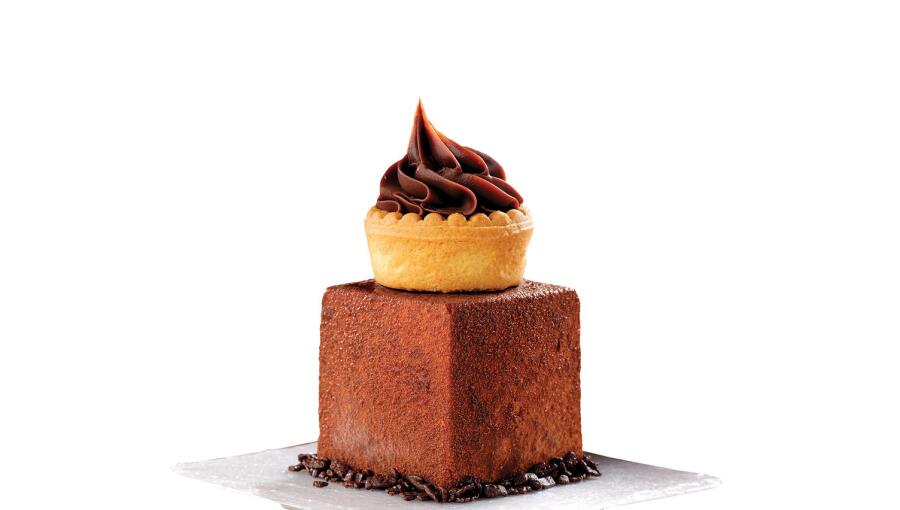
Tower Cake (Torta Stolp)
Tower Cake is made with sponge cake, cinnamon cream, a touch of protected Dolenjska fruit brandy and seasonal apples from Ljubljana orchards. It was created in memory of 1905, when the City of Ljubljana purchased Ljubljana Castle from the then Austro-Hungarian state. Named after the castle tower, one of the most visited tourist attractions in Slovenia, it was created in 2015 by the pastry chefs of the Kaval Group.
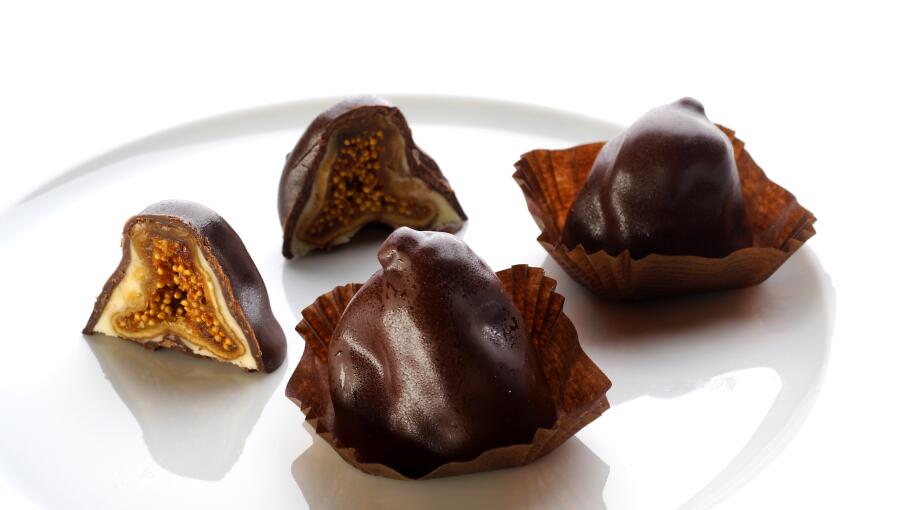
Prešeren Figs (Fige Prešernove)
Prešeren Figs are chocolate and fig sweets connected with the story of Slovenia’s greatest poet, France Prešeren (1800–1849). Children are said to have called after him, “Doctor, figs, figs!”, because he often gave them this dried fruit. Today, they are among the most common protocol and business gifts.
You can buy them at Čokoladni atelje Dobnik.