Fun Facts About Ljubljana You Probably Didn’t Know
So, you clicked.
Maybe because you want to know where Ljubljana gets the confidence to call itself one of the most beautiful cities in the world. Or maybe you are simply checking whether Slovenia’s capital has any evidence to support such a claim.
It does.
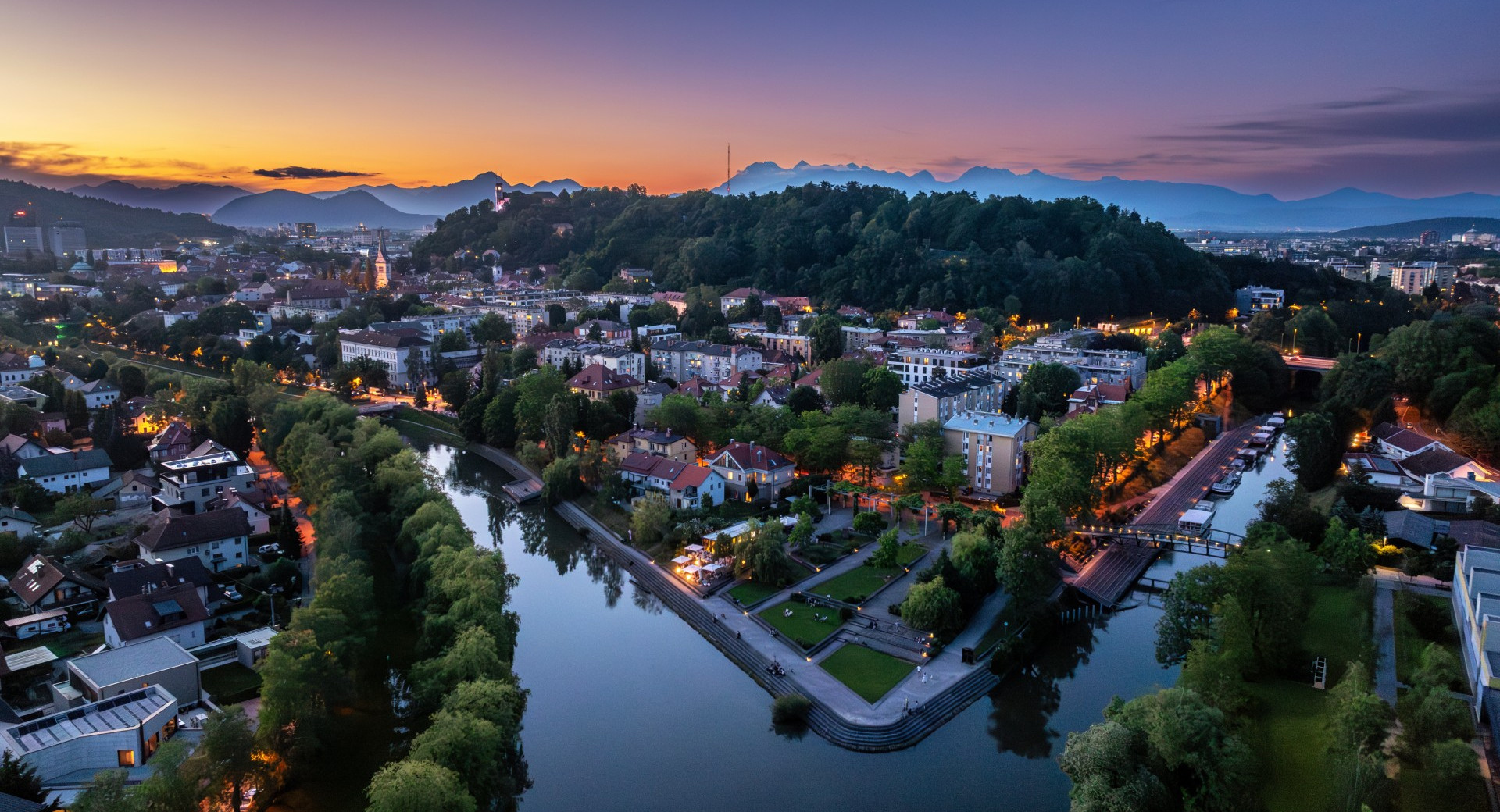
More precisely: a car-free city centre, generous green spaces, three UNESCO stories, cultural institutions with world records, bees at prestigious addresses, excellent drinking water from public fountains and vending machines that will sell you milk and eggs in the middle of the night.
Let’s start with the less unusual things.
A City Centre Where Pedestrians Have the Final Say
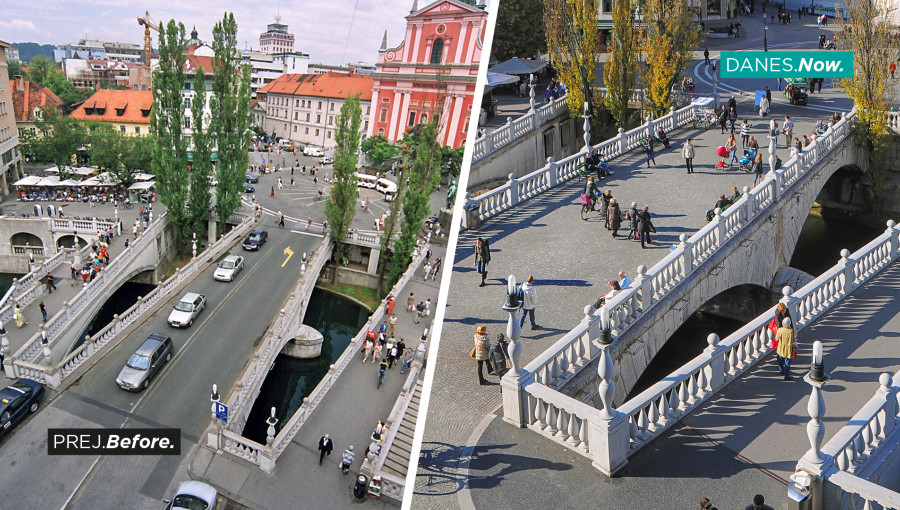
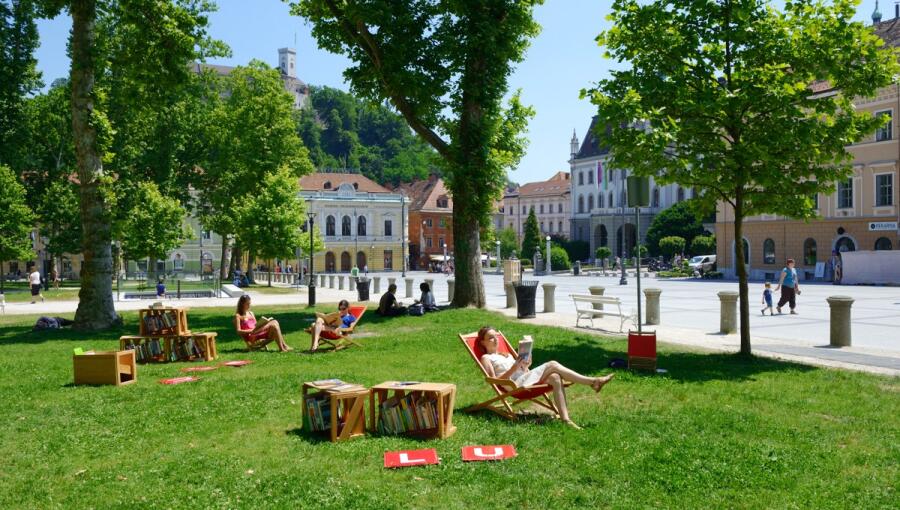
In 2007, Ljubljana began a wider transformation of its city centre into an area for pedestrians and cyclists. Today, around 20 hectares of streets, squares and riverbanks form one of the largest pedestrian zones among city centres in the European Union.
Where cars once drove, there are now terraces, markets, street events and people stopping mid-walk because they have spotted Ljubljana Castle, a dragon or a free table by the river.
Cars have not disappeared completely. They have simply accepted that they are not always the main characters.
Every Ljubljana Resident Has the Equivalent of Two Tennis Courts of Green Space
Ljubljana has 542 square metres of green space per resident. That is roughly the size of two tennis courts.
No, every resident of Ljubljana does not have a private court behind the house. But they do have parks, forests, tree-lined avenues, green riverbanks and hills within reach, beginning almost exactly where the city streets end.
Around three quarters of the municipality is green, and more than 46 percent is covered by forests. In Ljubljana, it is therefore entirely possible to drink coffee in the city centre in the morning and walk through a forest a little later, without this being the result of a serious navigation error.
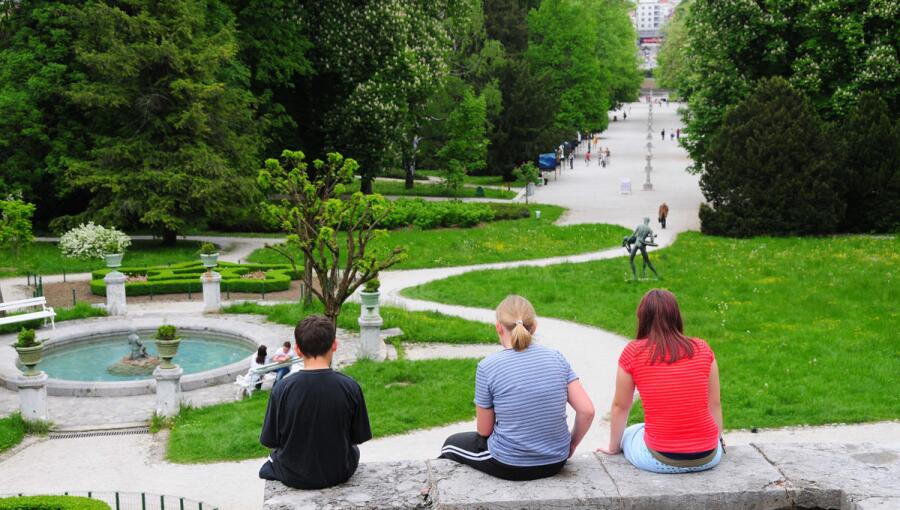
Tivoli Park Is Bigger Than Central Park
Tivoli, Rožnik and Šišenski Hrib Landscape Park covers around 459 hectares. It is larger than Central Park in New York and Hyde Park in London.
Ljubljana is, of course, not comparing itself with those cities.
It is merely mentioning the numbers politely.
The park begins right next to the city centre and connects landscaped paths, cultural institutions, recreational areas and enough benches for people who went for a walk mainly because they wanted to sit somewhere.
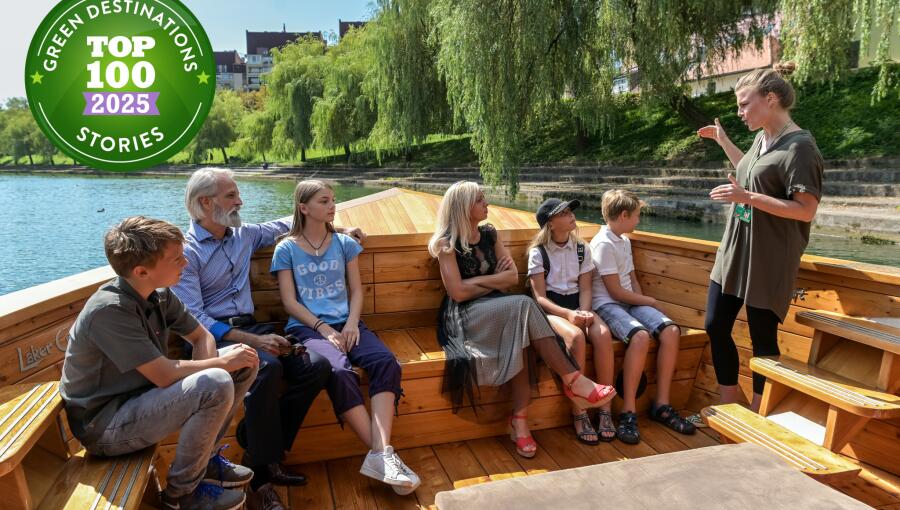
Ljubljana Is Green, and Not Just in Colour
By 2026, Ljubljana had made it onto the Green Destinations Top 100 Stories list eleven times. No other city in the world has done that. The list highlights good practices in sustainable and responsible tourism from around the globe.
Ljubljana has appeared on the list so many times that the organisers might soon consider giving it a permanent shelf.
It is not just about parks and trees. The recognitions are also linked to sustainable mobility, resident involvement, local offer and tourism management that gives something back to the city, instead of only taking from it.
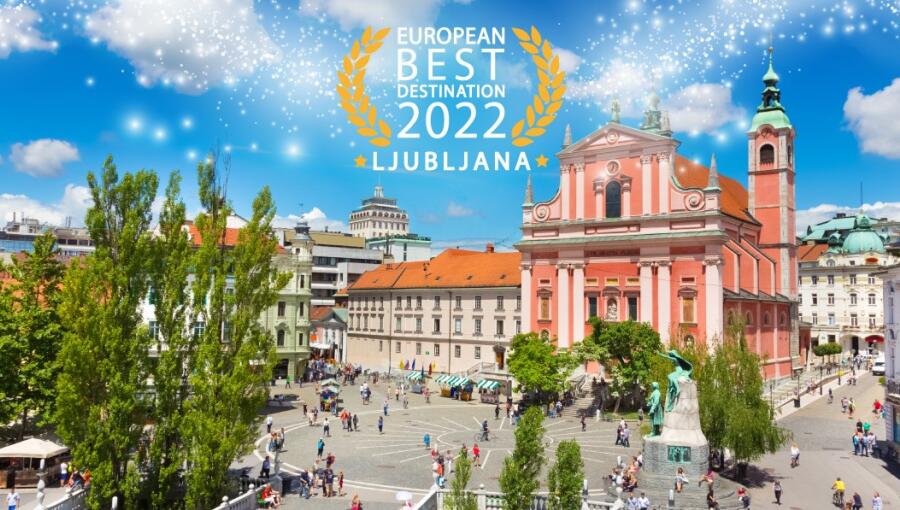
Awards Galore
In 2022, Ljubljana was voted Best European Destination. In the European Best Destinations vote, it received more than 75,000 votes and achieved the highest number of votes from abroad in the history of the competition up to that point.
In 2023 and 2024, it was also named the Best European City Break. Travellers recognised its authenticity, safety, quality offer and the fact that in a few days you can actually experience something, rather than just study timetables.
In 2026, Ljubljana also received the title of Best European Creative City Destination.
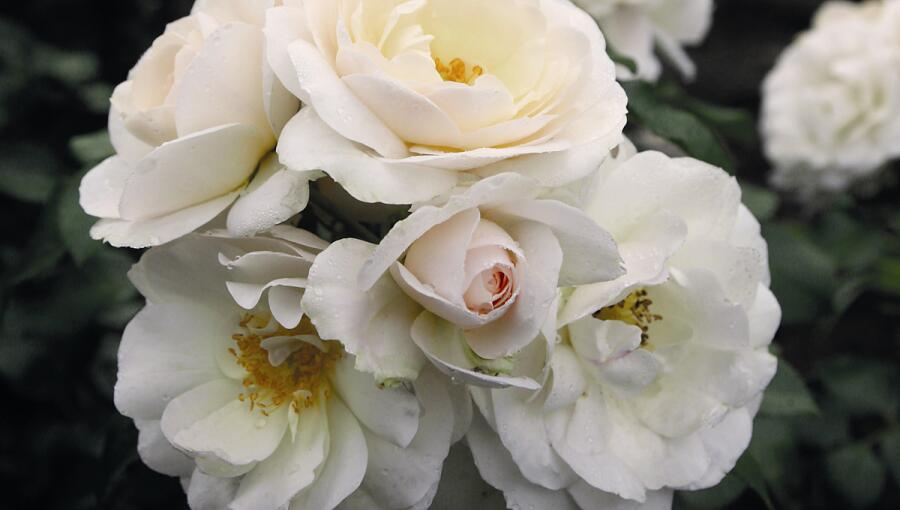
Ljubljana Has Its Own Rose
Since 2015, Ljubljana has had its own rose variety.
The Ljubljana Rose is creamy white and refers to the poetic name “white Ljubljana”. More than 2,600 of these roses have already been planted in parks, near public institutions, schools and kindergartens.
So the city has a dragon for dramatic entrances and a white rose for slightly gentler moments. Even capitals have more than one mood.
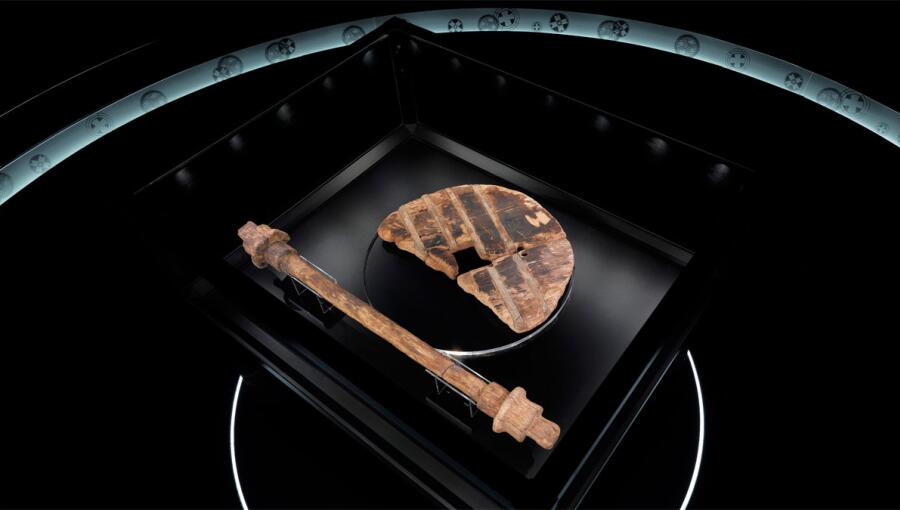
The World’s Oldest Wooden Wheel Is Parked in a Museum
A wooden wheel with an axle, approximately 5,200 years old and considered the oldest such find in the world, was discovered in the Ljubljana Marshes.
Today, it is kept at the City Museum of Ljubljana. Unfortunately, taking it for a spin is not allowed.
The find proves that people in the Ljubljana area were already thinking about mobility several millennia before the first debate about cycle lanes and who had taken whose parking space.
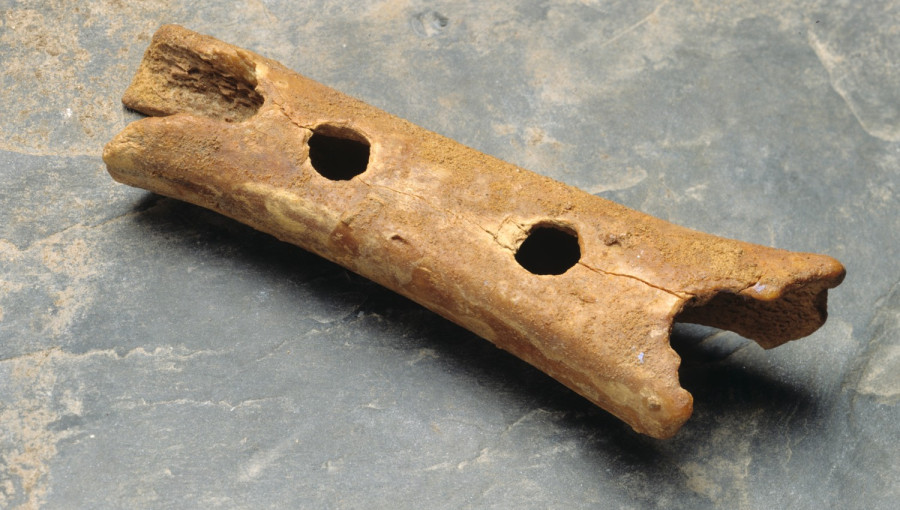
The Oldest Musical Instrument Is Not Far Away Either
The National Museum of Slovenia keeps the approximately 60,000-year-old Neanderthal flute from Divje Babe, which the museum presents as the oldest musical instrument in the world.
So, in the area of present-day Slovenia, people first took care of music and then of the wheel.
The order seems reasonable. First the concert, then transport home.

Culture in Ljubljana Is Not a Backup Plan for Rain
The Ljubljana Jazz Festival has been taking place since 1960 and is considered the oldest jazz festival in Europe.
Ljubljana does not host jazz because it happens to be fashionable at the moment. It has been hosting it long enough for fashion to have left, returned and left again several times in the meantime.
The International Biennial of Graphic Arts Ljubljana also has a slight problem with ordinariness. It has been taking place since 1955 and is considered one of the oldest graphic arts biennials in the world.
In a city where you can see a 5,200-year-old wheel and contemporary art on the same day, the expression “something for every taste” is not even much of an exaggeration.
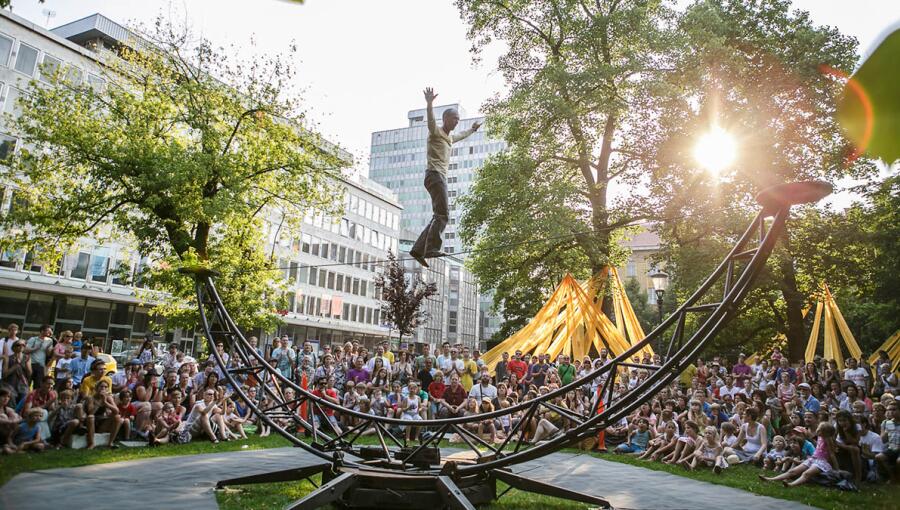
More Than 10,000 Events a Year Seriously Weaken Your Excuses
More than 10,000 cultural, sporting, culinary and other events take place in Ljubljana every year.
That is, on average, more than 27 events a day.
Of course, you do not have to attend all of them. That would be slightly worrying behaviour.
But it is harder to claim that nothing is happening in Ljubljana. You can only admit that you did not feel like going out that evening.
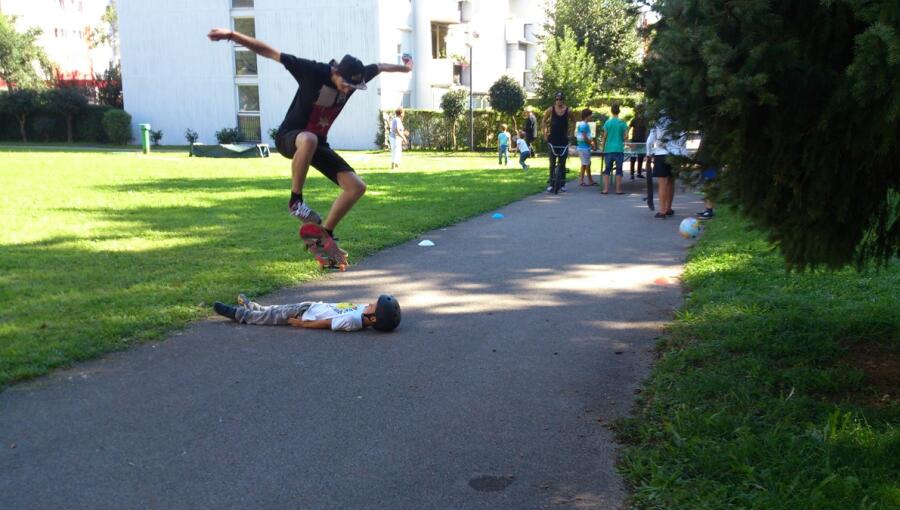
More Than 50,000 Students Make Sure Ljubljana Does Not Grow Up Too Quickly
More than 50,000 students study in Ljubljana.
Their presence can be felt in the cultural scene, creative initiatives, bars, concerts and a highly developed ability to find a good lunch at a reasonable price.
The average age of residents is around 43, which is lower than the Slovenian average.
Ljubljana is therefore young without having to try too hard, use teenage vocabulary or open a profile on yet another social network. Although it does have quite a few.
Ljubljana Boasts Three UNESCO Stories
Ljubljana and its surroundings are connected with three important UNESCO recognitions.
Selected works by the architect Jože Plečnik in Ljubljana have been inscribed on the UNESCO World Heritage List since 2021. Ljubljana is a UNESCO City of Literature, and the prehistoric pile dwellings in the Ljubljana Marshes are part of a transnational World Heritage Site.
Ljubljana’s Main Square Is Guarded by a Poet
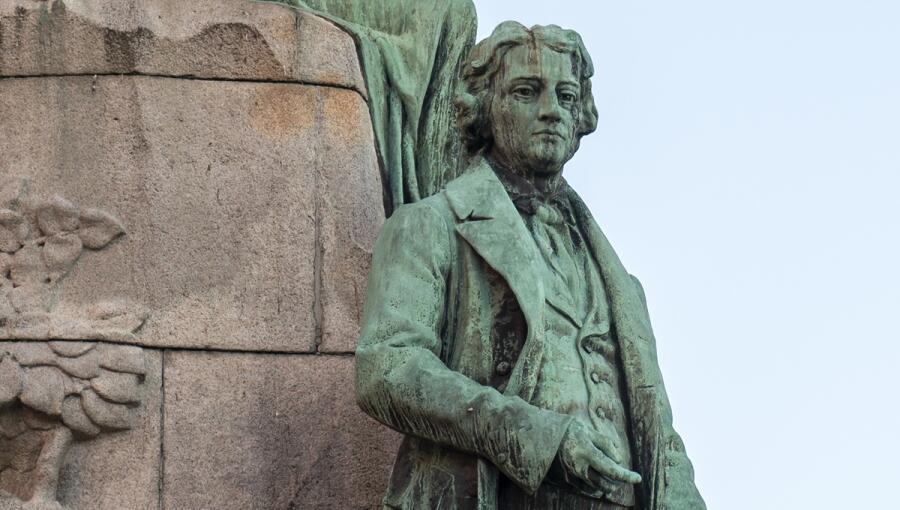
In Prešernov trg, there is no monument to a king, general or politician.
There is the poet France Prešeren.
His gaze is directed towards the image of Julija Primic, his unrequited love, on the façade of a house on the other side of the square. One of Slovenia’s best-known love stories has therefore been unfolding above the heads of passers-by for more than a century.
It is not discreet.
But it is considerably more interesting than yet another general on horseback. Although we have one of those too. Just not in the main city square.
Plečnik Gave Ljubljana Its Rhythm
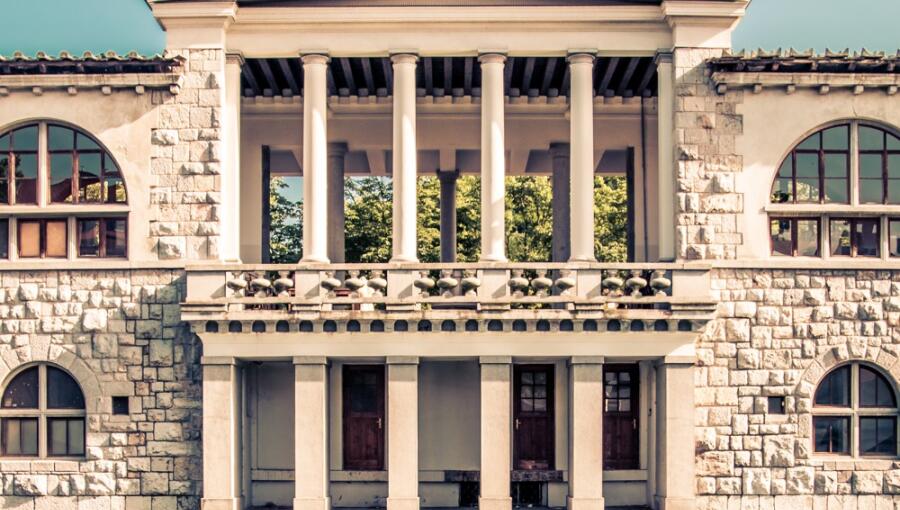
Jože Plečnik did not design Ljubljana as a collection of individual monuments. He designed it as a connected whole of bridges, squares, markets, riverbanks, colonnades, avenues and paths.
That is why even a perfectly ordinary walk through Ljubljana quickly becomes something more.
You may not know exactly what you are looking at. But you do know that someone thought very carefully about how you would get there, where you would stop and what you would see on the other side of the bridge.
Plečnik’s Ljubljana is considered one of the most important total works of art of the 20th century.
The Ljubljanica River Has Six Names Before It Reaches Ljubljana
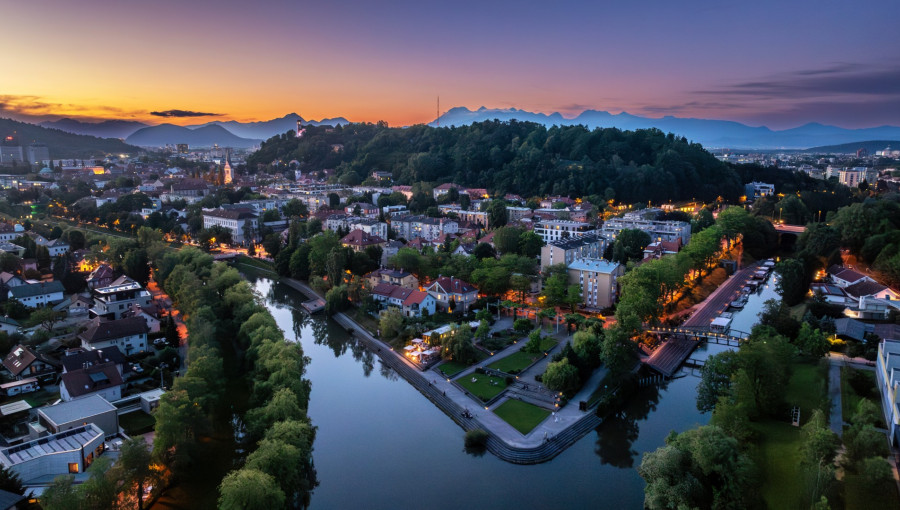
The Ljubljanica is known as the river of seven names.
On its journey through the karst landscape, it disappears underground several times and reappears under a different name. When it flows onto the Ljubljana Marshes as the Trbuhovica, it receives its seventh name: Ljubljanica.
After such a complicated arrival, one might expect it to need a rest.
Instead, it becomes the city’s living room. Along its banks, people drink coffee, eat, listen to music, discuss life and observe ducks with great seriousness.
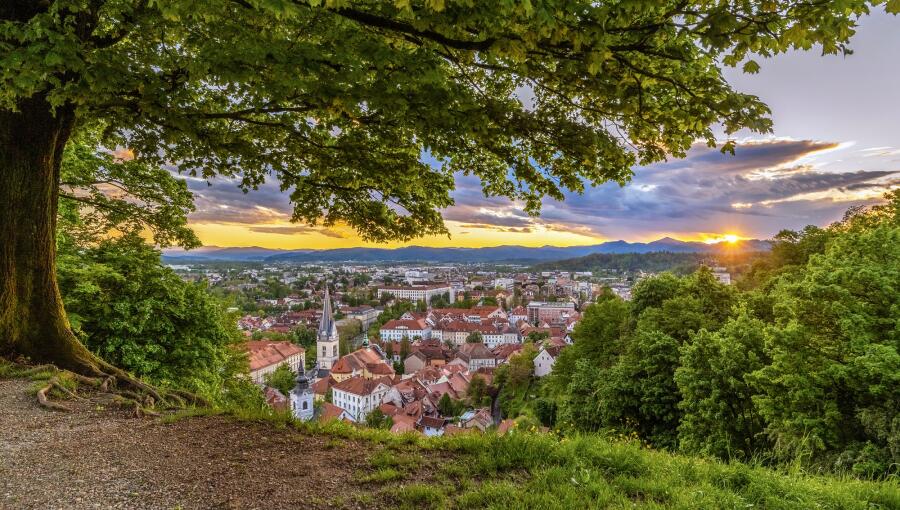
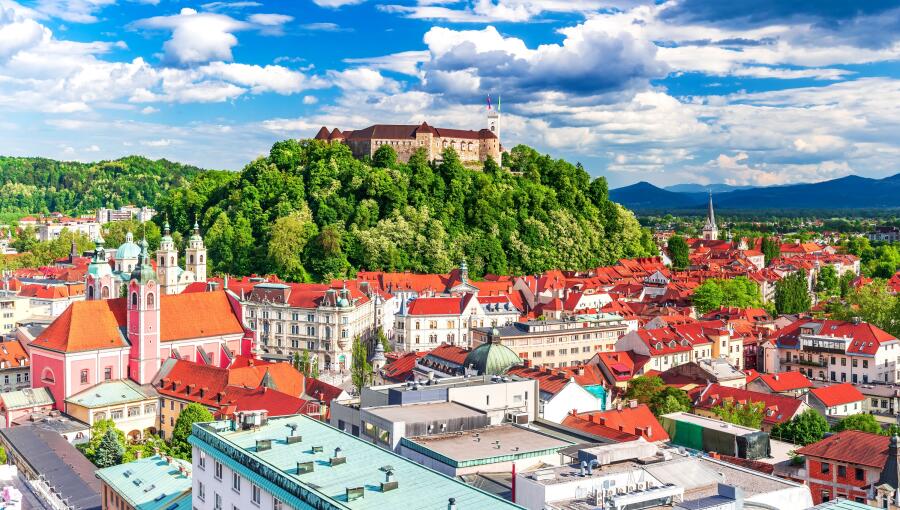
Eleven Paths Lead to Ljubljana Castle. There Is Also a Funicular.
Eleven walking paths lead to Ljubljana Castle.
You can choose a shorter one, a longer one, a steeper one, a more forested one, or one that will later allow you to present the climb as a planned sporting activity.
You can also take the funicular to the top. This somewhat reduces the heroic feeling of conquering Castle Hill, but saves energy for the view, exhibitions and lunch.
Ljubljana Is Encircled by an Almost 33-Kilometre-Long Monument
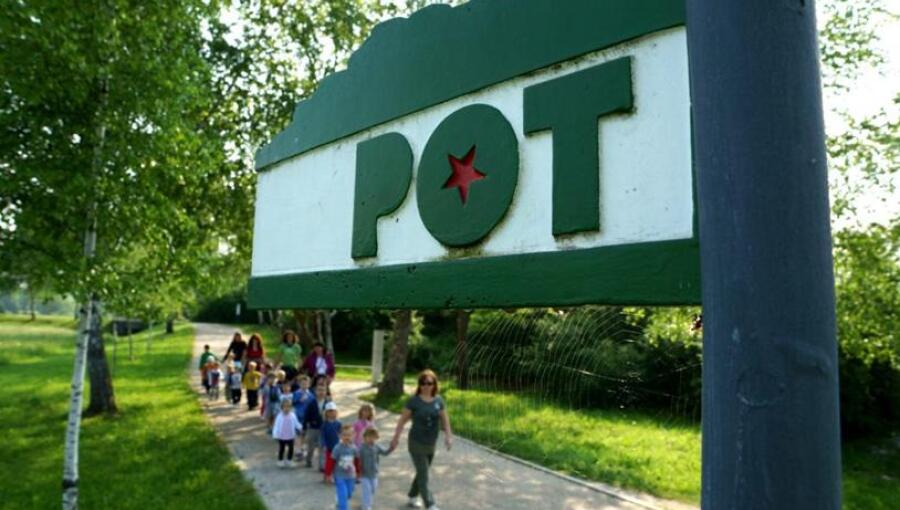
The Path of Remembrance and Comradeship follows the route of the barbed wire that surrounded Ljubljana during the Second World War.
Today, it is a 32.5-kilometre green ring around the city, a historical monument and a popular route for walking, running and cycling. More than 7,000 trees grow along it.
Some people walk the entire route.
Others decide after a few kilometres that they have honoured history respectfully enough with a coffee.
Cycling in Ljubljana Is Transport, Not a Personality Test
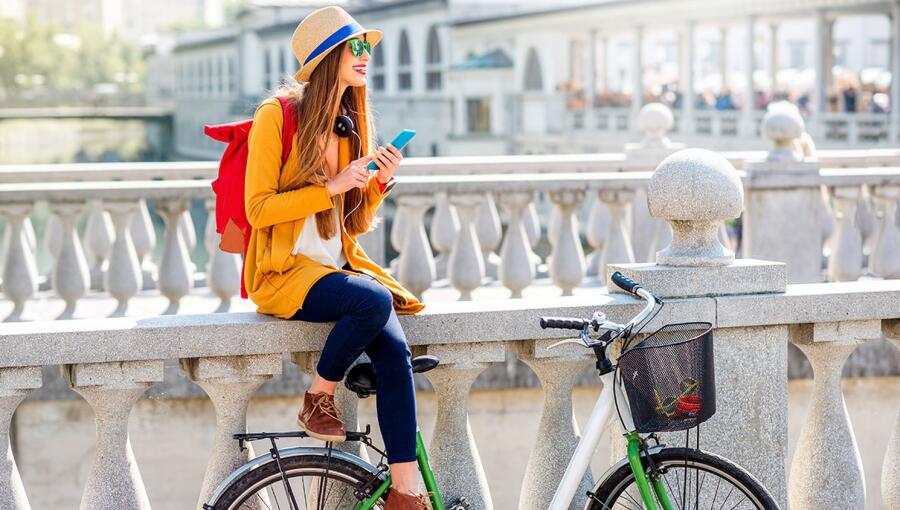
Ljubljana is relatively flat, compact and friendly to cyclists.
Across the wider city, there are more than 450 kilometres of cycling connections, including around 230 kilometres of designated cycling paths. The two figures describe different scopes of infrastructure, but for visitors they mainly mean that most city journeys can be made without preparing for a mountain stage.
The BicikeLJ bike-sharing system is also available, with the first hour of each rental free of charge.
You Can Drink Ljubljana’s Water Straight From the Tap
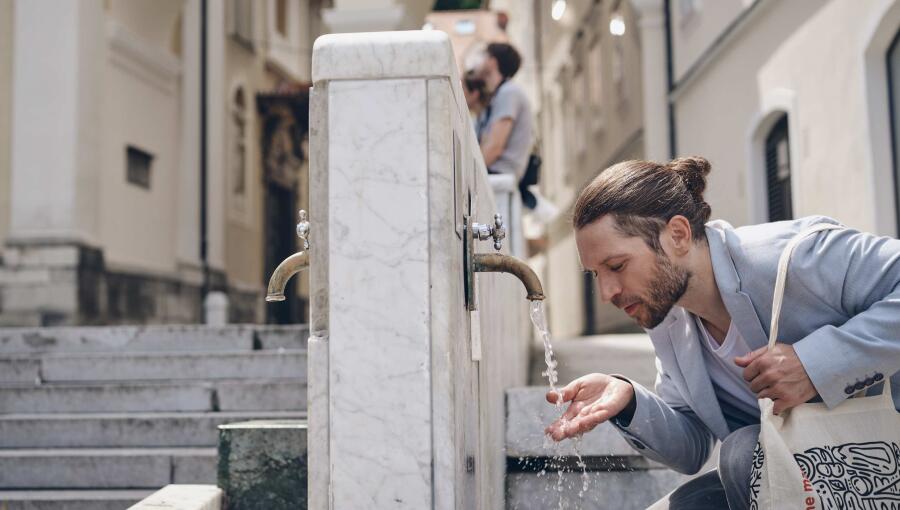
Ljubljana’s drinking water is high quality, regularly monitored and safe to drink.
Across the city, there are more than 60 public drinking fountains where you can fill your bottle free of charge during the warmer part of the year.
Free drinking water may not sound like a tourist attraction.
Until you visit a city where a small plastic bottle costs as much as lunch.
Bees in Ljubljana Also Have Homes at Prestigious Addresses
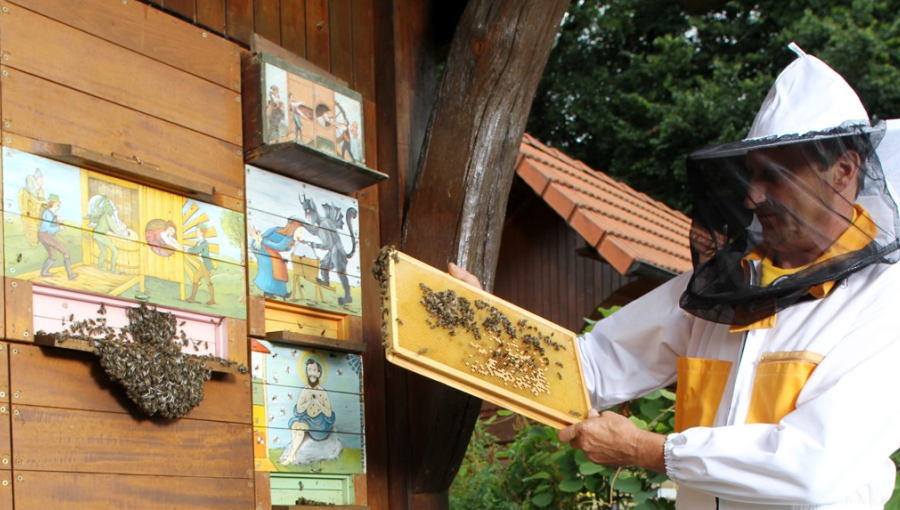
There are more than 4,500 beehives in the Municipality of Ljubljana.
Bees do not live only in gardens and on the outskirts of the city. You can also find hives on the roofs of Cankarjev dom, hotels, cultural institutions and other buildings.
The Bee Path runs through the city, connecting beekeepers, educational institutions, companies and cultural organisations.
They pay rent in honey.
Waste Is Underground Because It Does Not Need to Ruin the View
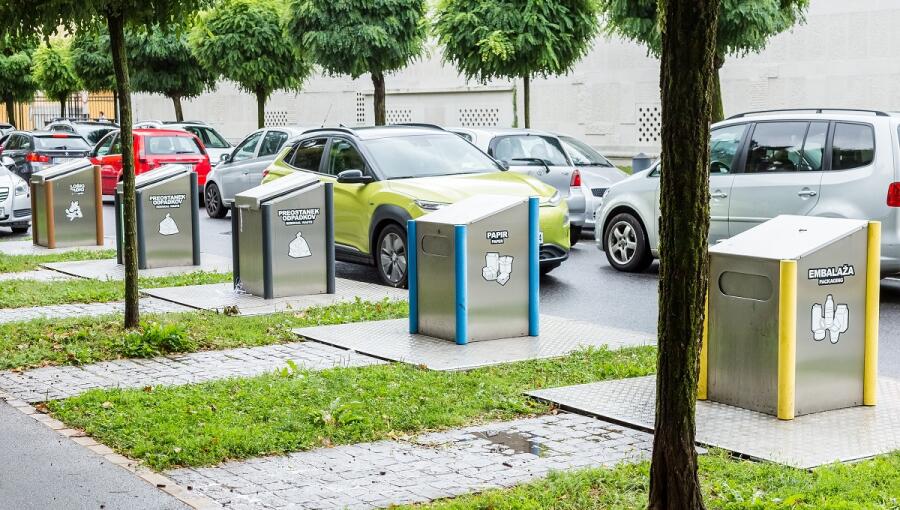
In Ljubljana’s historic city centre, many waste containers are hidden in underground collection units.
Only smaller collection points are visible on the surface, while the larger containers are beneath the streets. This leaves more space for people, fewer unpleasant smells and fewer large bins next to historic façades.
The waste has not disappeared.
Ljubljana has simply taught it not to show off.

A Broken Umbrella Is Not Waste Yet
In Ljubljana’s old city centre, the traditional umbrella repair workshop of Marija Lah operates as one of the last workshops of its kind in the wider region.
Sustainability in Ljubljana is not only a grand strategy with a multi-year action plan.
Sometimes it simply means not throwing away your umbrella after the first stronger gust of wind.
Visitors can also learn how to repair umbrellas in a special creative experience.
Pancakes at Three in the Morning
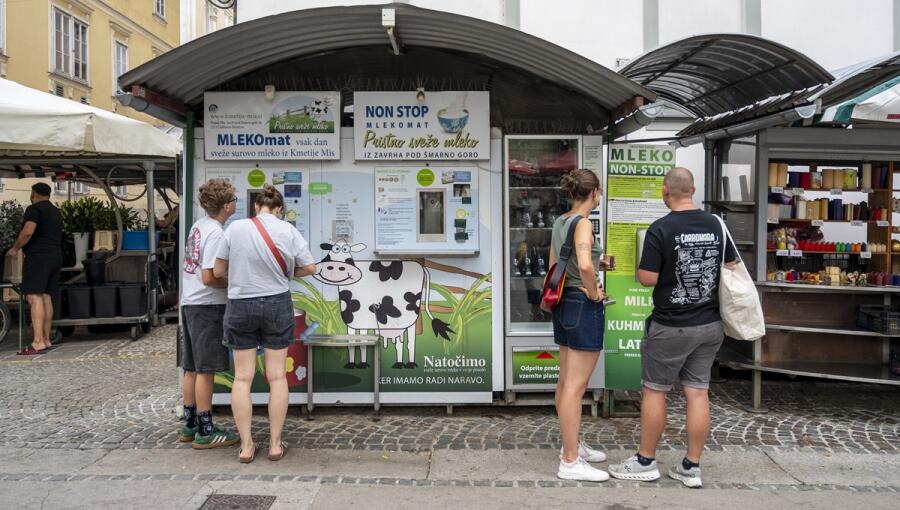
At Ljubljana’s Central Market, you can buy fresh milk and eggs from the milk and egg vending machines even when ordinary shops are closed.
This is useful information if you are suddenly overcome by a craving for pancakes at three in the morning.
It is less useful if you do not have any flour at home.
Ljubljana can solve many things. But not absolutely everything.
Ljubljana’s Longest Street Is Around Nine Kilometres Long. The Shortest Is Only 22 Metres.
Zaloška cesta, Ljubljana’s longest road, measures approximately nine kilometres.
At the other end of the scale, Vodna steza measures only 22 metres.
You can spend quite some time on Zaloška. You can walk the entire length of Vodna steza before your step-counting app even realises you have started.
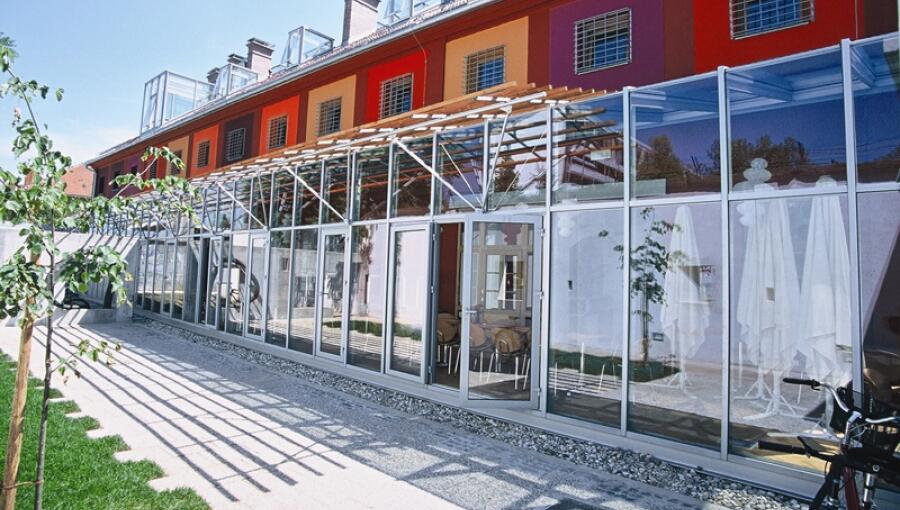
You Can Sleep in a Former Prison. Voluntarily.
Hostel Celica at Metelkova is set in a former military prison.
It has 20 former prison cells that have been artistically transformed by various creators, as well as nine regular rooms. Today, guests can sleep in the cells voluntarily, which is quite a change from the building’s original operating model.
The doors open from the inside.
And people even come back.
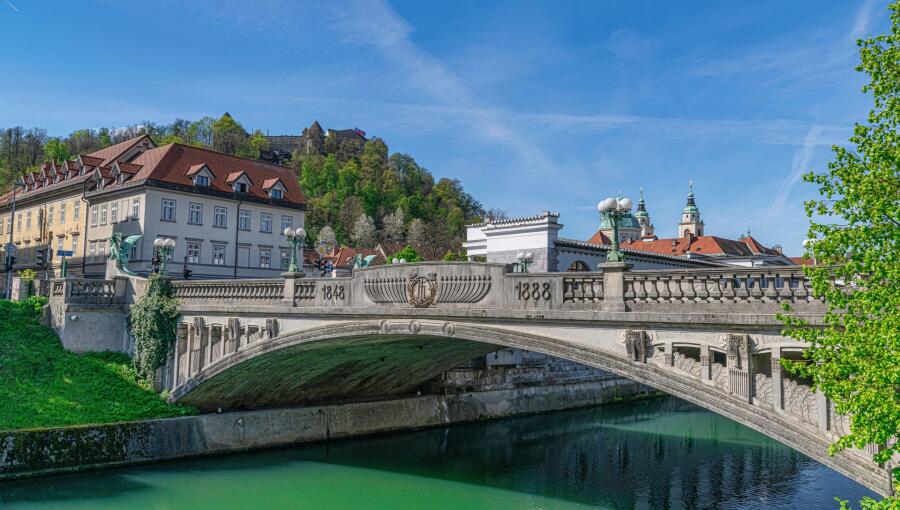
Dragon Bridge Is Not Just a Place to Photograph Dragons
Dragon Bridge is one of Ljubljana’s most recognisable symbols, but its four dragons are not its only special feature.
When it was built at the beginning of the 20th century, it was an important technical achievement and one of the first major reinforced concrete bridges in Europe.
So behind the most photographed dragons lies a rather serious engineering story.
Ljubljana Is Small. Its Personality Clearly Is Not.
You can walk across Ljubljana in a few days. But among the car-free streets, 542 square metres of green space per resident, three UNESCO stories, a 60,000-year-old musical instrument, a 5,200-year-old wheel, bees on rooftops, jazz, graphic arts, creative workshops and a milk vending machine at three in the morning, there is far more than its size suggests.
Ljubljana is surprisingly confident for a city of its size. Which is perfectly fine.
It does, after all, have plenty to be confident about.